Sweatsmilerepeat Book a session

How I coach

Five principles sit under every block I write. They are not slogans on the wall. They are the rules I use when I choose a load, cut a session, or send you to a clinician instead of adding another set.

Studio detail

Five principles

Load goes up slowly and on purpose

I add weight when the last set still had two reps in it, when the bar path stayed honest, and when you turned up for the sessions we wrote. A jump that looks brave on Monday often becomes a missed week by Thursday. Most people I coach add a little across a four-week stretch, then we hold or we deload. The twelve-week block is long enough for that to add up without a single heroic session.
Technique before intensity, always

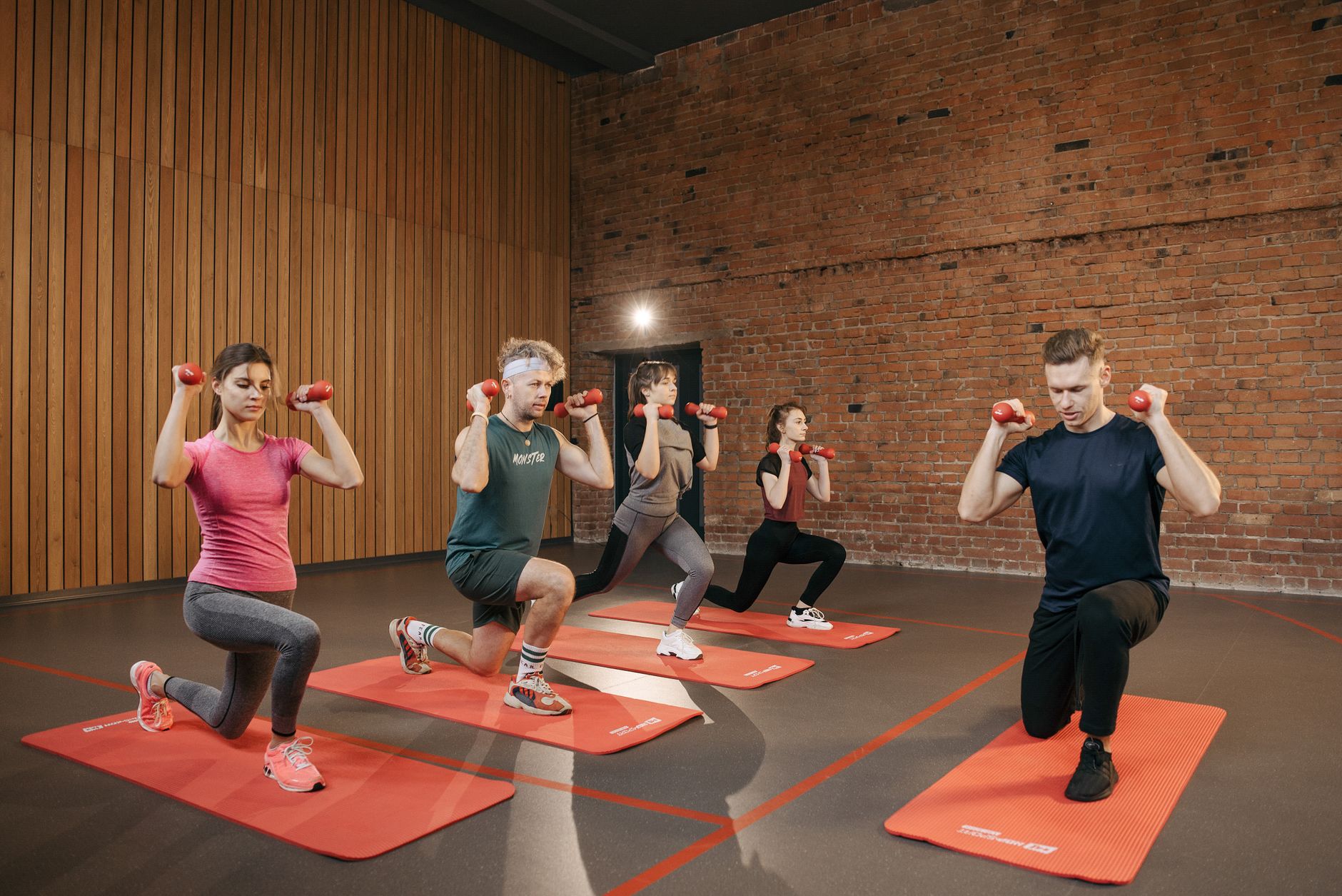
If the hinge rounds under a load you could not own last month, we drop the kilos and we keep the pattern. Intensity is easy to add. A clean hip hinge is slower to build and faster to lose. I would rather you leave a session having practised the lift well than having survived a number that only worked once. When the shape is stable, the load has somewhere to go.

The plan fits your week, not the other way round

I ask for the days you can protect before I write a single set. If Thursday dies every time a meeting overruns, Thursday is not a training day. Two honest sessions beat four fictional ones. I rewrite the week when your calendar changes. The work still has a shape — squat or hinge, press, pull — but the days belong to you.

Measure three things, not thirty

Working weights on the main lifts, a simple RPE, and the two screens I repeat every block: hips and grip. Sleep goes in the notes as context, not as a score. A long spreadsheet that you abandon in week three tells me nothing. Three numbers taken the same way, written after the session, are enough to decide whether we add, hold, or take a quieter week.

Soreness is not a scoreboard

A session can be useful and leave you able to walk down Tiong Poh Road. If you cannot sit at your desk the next day, I wrote the finisher too hard or I ignored the humidity. I use soreness as a warning, not as proof we worked. The proof is that you can repeat the session later in the week, with the same shape and a load that still has reps in it.

What I track

After each session I write the working weights, the RPE on the main lifts, and a line about hip and shoulder range if something changed. I note how many sessions you actually completed that week. Sleep goes in as context: if hangs and carries drop and you slept four hours, I deload before I add kilos.

I do not track every accessory, every mood, or a long list of body measurements. Those sheets look thorough and then they go quiet. I would rather have three lines I can compare at week twelve than thirty I cannot trust. If a number does not change what I write next, I stop asking for it.

A sample training week

This is a picture of a week, not a plan I copied from anyone I coach. Your days, lifts and times will differ. I include it so you can see the shape: strength on the days you can protect, easy movement on the others, and a closed Sunday.

Day Focus Roughly how long
Monday Lower-body strength — squat or hinge, carry 60 minutes
Tuesday Easy walk or short mobility 20–30 minutes
Wednesday Upper-body strength — press, pull, hang 60 minutes
Thursday Rest, or a walk if the desk has been long 20 minutes
Friday Full-body strength — lighter than Monday 60 minutes
Saturday Easy row, skip rope, or a short group session 30–40 minutes
Sunday Studio closed · rest —

If your week cannot hold three strength days, I write two full-body sessions and keep the walks. The illustration above is a starting sketch, not a target you fail if you cannot match it.

Screening and safety

Before the first session I send a short health questionnaire. I want to know about current pain, recent injuries, medication that affects training, and whether a clinician has already given you limits. If you have had surgery, a new injury, chest pain, unexplained dizziness, or pain that wakes you at night, I will ask you to speak to your doctor or physiotherapist first. I do not diagnose. I do not run rehabilitation.

In the room, a sore back or a noisy knee usually means a change of range, stance or implement. A box squat instead of a free squat. A kettlebell hinge instead of a barbell pull. We keep the rest of the session. If the pain is sharp, spreading, or new in a way I do not like, we stop that lift and I send you to someone who can examine it. Training can wait a week. Guessing cannot.

Equipment I actually use

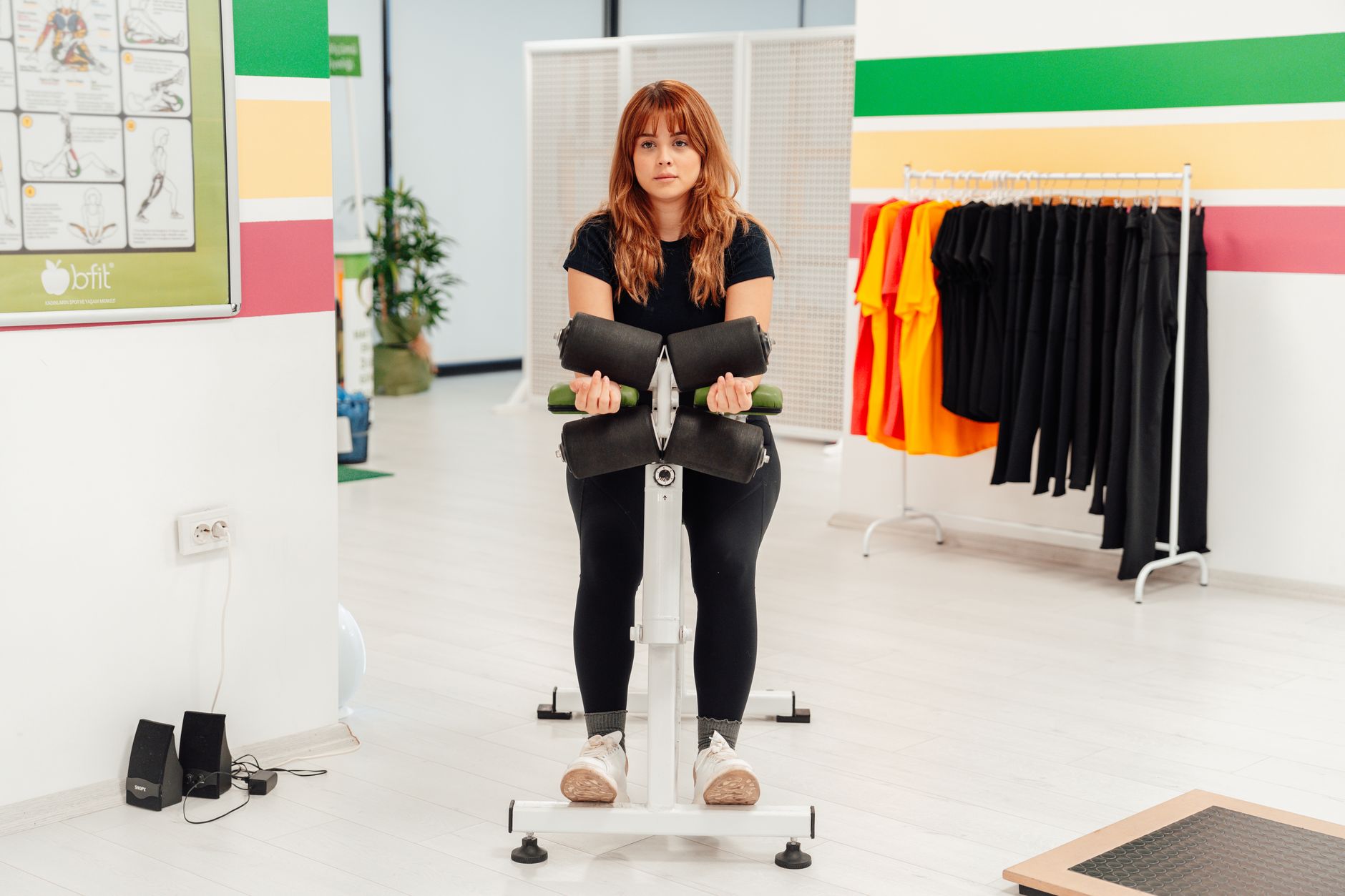
I keep a small floor on purpose. Everything here earns its space. If a piece of kit only looks busy, it does not stay. Online I write around whatever you already have; I do not invent a shop list so the plan looks complete.

  • Barbell and plates
  • Squat racks
  • Kettlebells from 8 to 40 kg
  • Rowing machine
  • Skip ropes
  • Mats and a few boxes
  • A dowel for the hinge screen
  • Carrying handles
Studio equipment

What changes every four weeks

I rewrite the programme every four weeks even if the lifts stay. Sets, ranges and loads move with the notes: what you lifted, what you skipped, and what your hips did on the screen. The rewrite is a sitting-down job. I do it from the log, not from a feeling in the doorway.

Most blocks include a quieter deload week — usually week four or week eight — when we keep the patterns and drop the volume. It is not a holiday from training. It is how the next four weeks stay repeatable. At the end of the twelve weeks we retest the two screens and we look at week-ten loads. Then I write the next block. If the work did not do what I hoped, I change the work. I do not add extras to hide that.

Want this applied to your week?

Tell me how you train now and I will tell you what the first four weeks would look like. I reply within one working day.

Book a first session

I use one cookie to remember this choice. Nothing else is tracked — there is no analytics on this site. Cookie details